
A saddle valve is a small plumbing valve that taps into an existing water pipe to supply water to an appliance like a refrigerator, ice maker or whole-home humidifier. In fact, most homeowners walk past theirs for years without giving it a second thought. Many don’t realize they have a saddle valve in their home until an appliance is replaced or a plumbing problem brings it to their attention.
Saddle valve troubles usually start when the valve begins leaking, corroding or restricting flow. Because these valves often sit behind a refrigerator or tucked away near HVAC equipment, a slow drip can go unnoticed for a long time. In many cases, the first clue isn’t visible water at all. It’s the damage the water has left behind.
How Does a Saddle Valve Work?
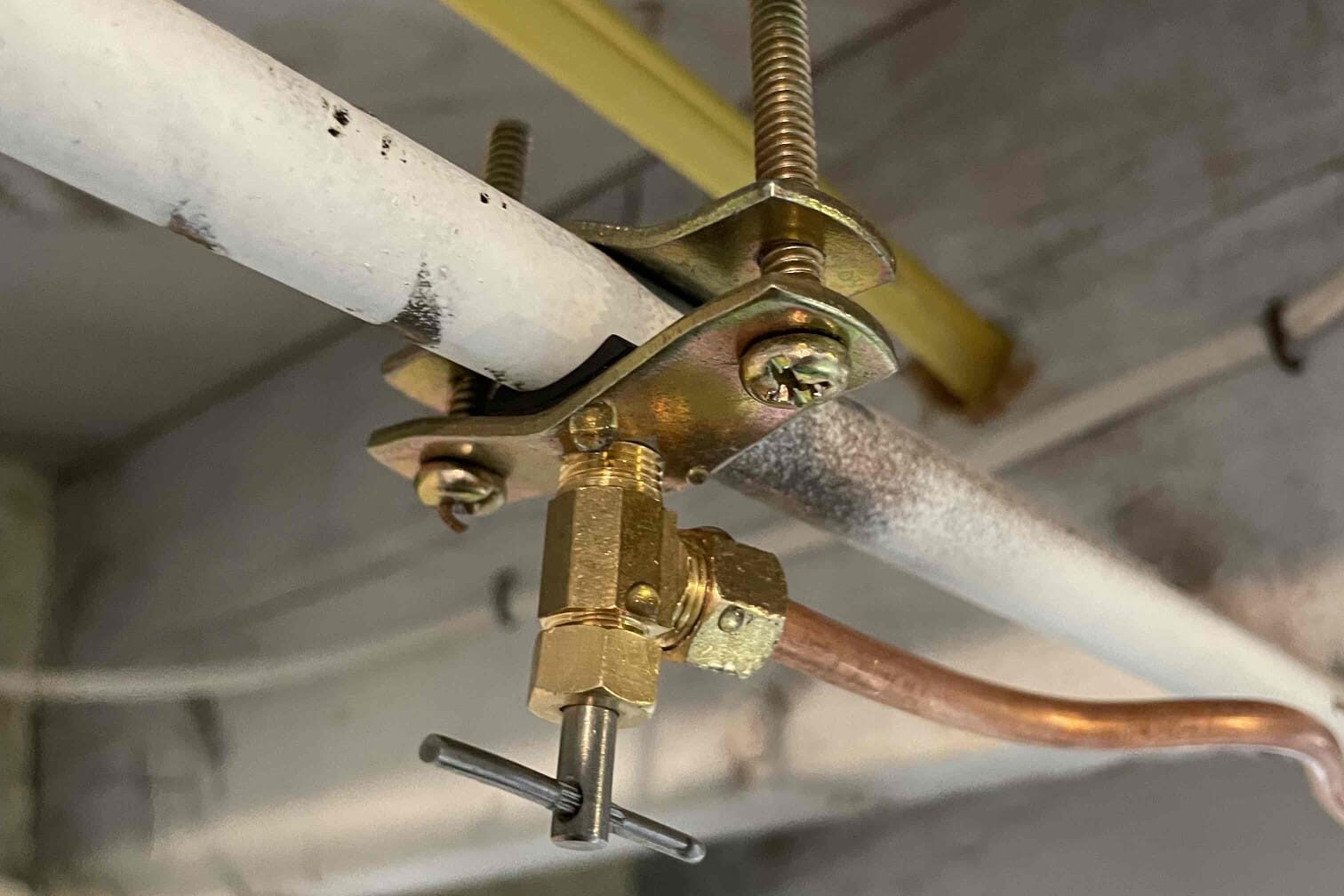
A saddle valve clamps around an existing water pipe and creates a small opening that allows water to enter a separate supply line.
A typical piercing-style saddle valve has just a few basic parts:
- A bracket that clamps around the water pipe
- A gasket or seal between the valve and pipe
- A needle or piercing mechanism
- A valve stem used to control the water
- A connection point for the smaller supply line
Under normal conditions, water passes through the opening and into the line feeding your appliance. Unlike a dedicated shutoff connection, though, a piercing-style saddle valve clamps onto the outside of the pipe and uses a small needle to puncture it.
That small connection can become a weak spot as the valve, seal and other components age, leading to leaks, corrosion or restricted water flow. Finding an older saddle valve doesn’t automatically mean you have a plumbing problem, but it is something worth keeping an eye on.
Where Might You Find a Saddle Valve in Your Ohio Home?
Not every home has a saddle valve, but if yours does, there’s a good chance you’ve walked past it more times than you can count. Saddle valves are often found near refrigerators, ice makers and whole-home humidifiers, especially where a small water line was added to an existing plumbing system.
They’re also more common in older plumbing setups, where they were often used as a quick and inexpensive way to tap into an existing water line. You might find one clamped onto a copper pipe in the basement, tucked behind the refrigerator or only notice it when you’re replacing an appliance and wondering what that little valve is actually for.
Remember: Finding one isn’t automatically bad news. But knowing it’s there gives you a chance to keep an eye on the connection and catch any signs of a leak early.
Why Can Saddle Valves Become a Problem?
Saddle valve problems don’t always start with an obvious leak. The connection can also corrode, develop mineral buildup, become difficult to operate or restrict the amount of water reaching the appliance.
That’s why it’s worth paying attention to more than just visible water. Sometimes the first sign of trouble is a change in how the valve or the appliance it supplies is working.
Common problems worth watching for include:
- Leaking around the valve or pipe
- Corrosion
- Mineral buildup
- Deteriorated seals or components
- Restricted water flow
- Difficulty opening or closing the valve
- Problems with the attached supply line
Don’t let the size fool you, though. A small valve leaking quietly for weeks or months can still cause plenty of damage, especially when nobody realizes it’s happening.
Why Do Saddle Valves Leak?
Saddle valves can leak when the seals, fittings or other parts of the connection can no longer keep water contained. Age is often part of it, but there are several contributing factors every homeowner should keep in mind.
Common causes include:
- Age and wear: Seals and other components can deteriorate over time.
- Corrosion: Corrosion can weaken the valve or connection.
- Mineral buildup: Hard water can leave deposits that interfere with the valve.
- Movement: Even slight movement at the connection can affect the seal.
- Supply line problems: Sometimes the leak is actually coming from the attached line or fitting.
The leak isn’t always obvious, either. You might see water around the valve, or the first clue could be a damp spot behind the refrigerator, a ceiling stain or flooring that suddenly doesn’t look right.
A few drops might not seem like much, but that water is still landing somewhere. Over time, it adds up.
What Are the 9 Warning Signs of a Bad Saddle Valve?
Visible water, corrosion, mineral buildup and changes in water flow are all signs that your saddle valve should be checked. Homeowners should know what to look for and stay ahead of the problem.
Watch for:
- Dripping or moisture around the valve
- Dampness on the pipe
- Rust or corrosion
- White, green or chalky mineral deposits
- Water stains around or below the connection
- Reduced water flow to a refrigerator or other appliance
- A valve that’s difficult to operate
- Warped or discolored flooring near an appliance
- Unexplained moisture around a humidifier or water line
You know your home better than anyone else does. If something around the water connection looks, sounds or feels off, that’s reason enough to have it checked out.
Notice one of these signs? Schedule a plumbing inspection!
Can a Leaking Saddle Valve Cause Water Damage?
Yes. A leaking saddle valve can cause water damage, especially when the moisture keeps reaching flooring, cabinets, drywall or anything else nearby.
This is why location matters so much. Water spraying across the kitchen gets noticed pretty fast. Unfortunately, a slow leak behind the refrigerator is different. You might walk past that spot several times a day without realizing water is escaping behind the appliance.
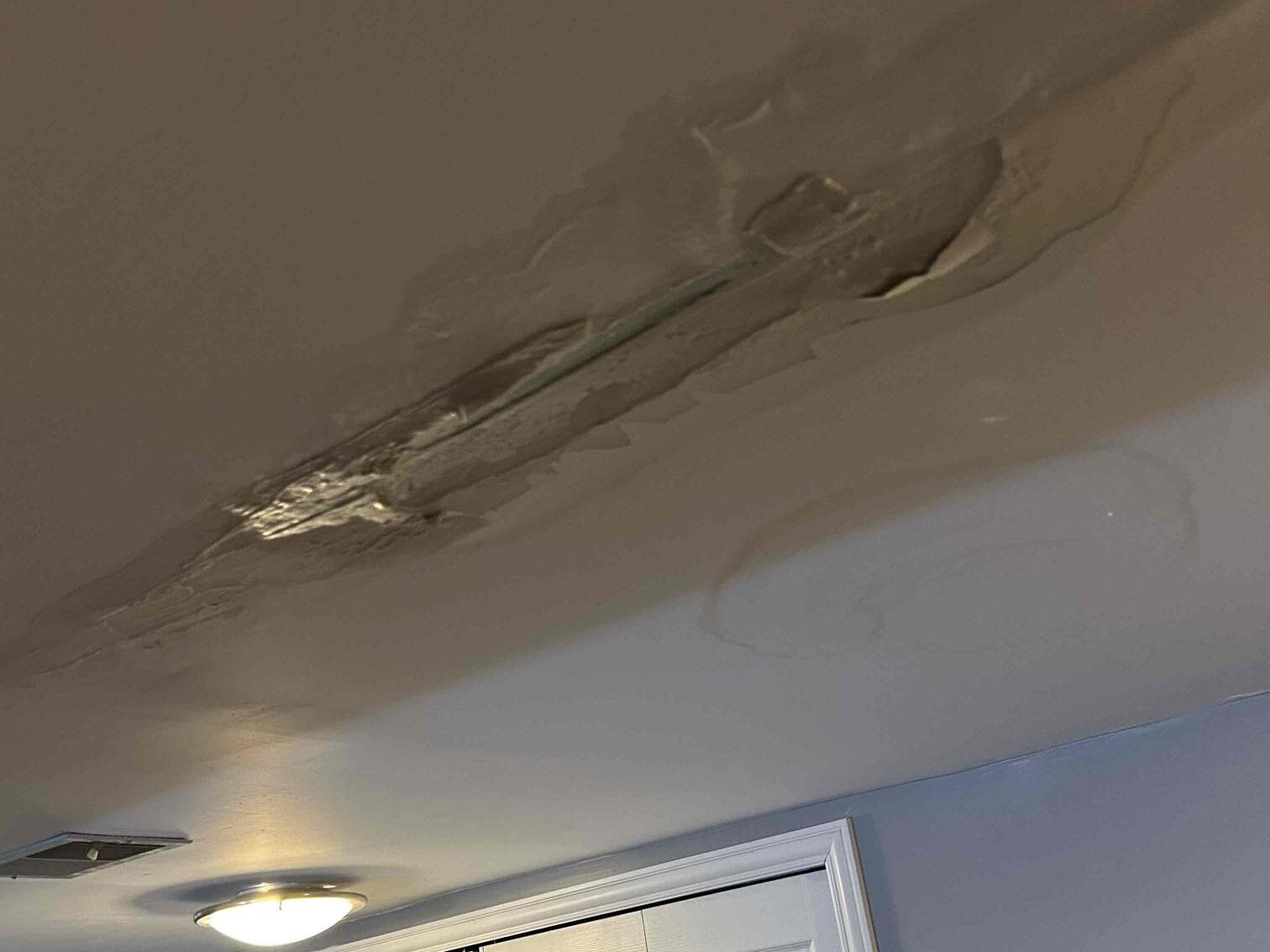
Depending on where the valve sits in your home, that water can reach:
- Hardwood, laminate or other finished flooring
- Subflooring
- Baseboards
- Cabinets
- Drywall
- Ceilings below the leak
- Nearby furniture or stored belongings
What Should You Do If Your Saddle Valve Is Leaking?
If you discover a leaking saddle valve, your first priority is limiting additional water and figuring out exactly where the leak is coming from.
- Look for the source. Figure out whether the water is actually coming from the saddle valve itself, the supply line, the appliance or a nearby connection.
- Shut off the water supply if you can do it safely. Don’t force an old or corroded valve that won’t budge.
- Protect the surrounding area. Clean up standing water and move belongings out of the way once it’s safe.
- Resist the urge to just tighten it and call it fixed. An older connection may have a deeper issue that tightening won’t solve.
- Call a plumber when you’re not sure. A plumber can track down where the water is actually coming from and determine what needs to be fixed.
If you can’t safely shut off the water at the connection itself, knowing where your home’s main water shutoff is located can save you a lot of stress in the moment.
Can You Repair a Saddle Valve, or Does It Need to Be Replaced?
If a saddle valve is leaking, corroded or worn out, replacing the connection may make more sense than trying to patch the problem.
Simply patching up today’s dripping issue isn’t really the goal. The bigger question is why it’s leaking in the first place and whether that connection is something worth relying on moving forward.
A licensed plumber can inspect the valve, supply line and surrounding pipe to figure out where the problem is actually coming from. From there, they can determine whether the connection needs to be replaced and what makes the most sense for your plumbing setup.
What Should Replace a Saddle Valve?
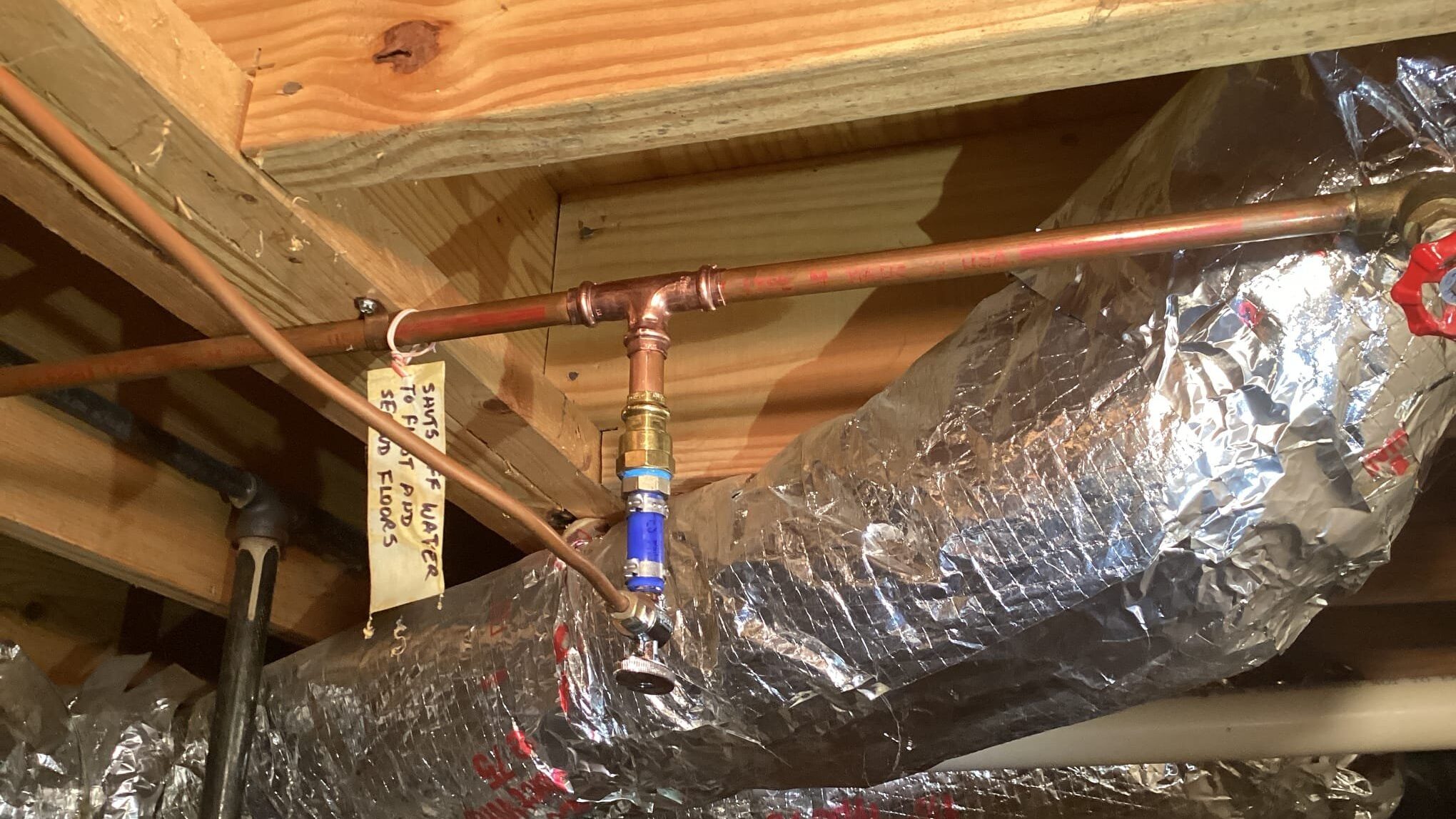
A saddle valve can usually be replaced with a permanent, dedicated shutoff connection, but the right water line replacement depends on your home’s plumbing and what that water line is supplying. For example, a refrigerator or ice-maker line may be updated with a dedicated shutoff valve or an accessible ice-maker outlet box, while a whole-home humidifier or another setup may need a different solution.
The goal is to replace the old saddle-valve connection with a secure, accessible shutoff that works with your existing plumbing. A licensed plumber can inspect the setup, explain your options and make sure the new connection is installed properly. If you’re not sure what makes sense for yours, Five Star Home Services can take a look, explain the options and help you figure out what should happen next.
Schedule a Plumbing Inspection with Five Star Home Services or call (833) 405-8009 to get started.
Should You Replace a Saddle Valve If It Isn’t Leaking?
Not necessarily. If your saddle valve isn’t leaking, that doesn’t automatically mean there’s a problem. But it’s still worth paying attention to its condition.
This often comes up when you’re replacing an appliance, remodeling or having other work done and suddenly notice a valve you didn’t know was there.
It’s especially worth having it checked if:
- You aren’t sure how old it is
- You see corrosion or mineral buildup
- It’s difficult to operate
- Water flow has changed
- You’re replacing the appliance it supplies
- Other plumbing work is already being done nearby
If you’re already looking at the plumbing, it’s a good opportunity to make sure the valve is still in good shape.
When Should You Call a Plumber About a Saddle Valve?
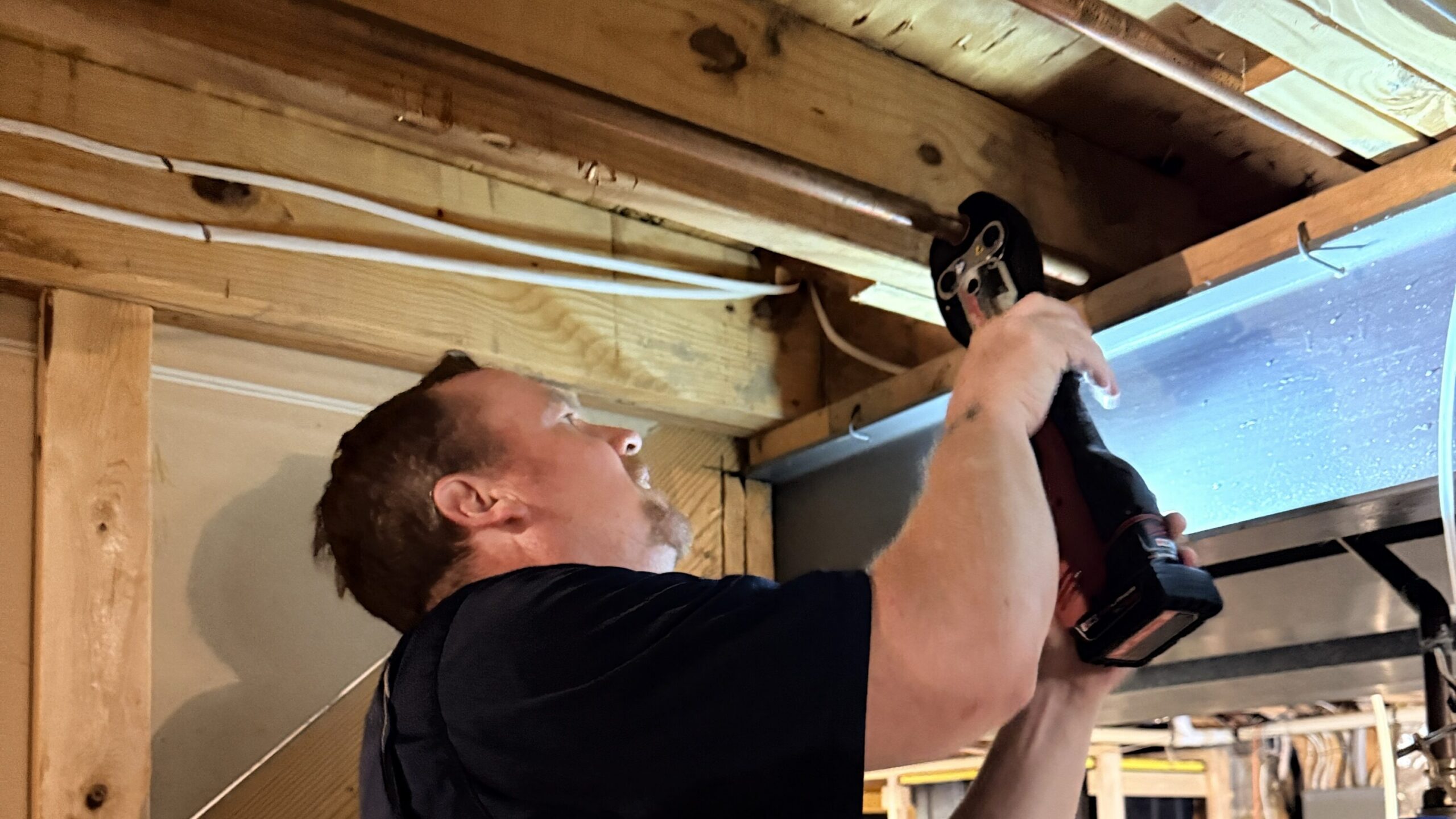
If your saddle valve is leaking, looks corroded, is becoming difficult to turn or is causing trouble with an appliance’s water supply, it’s probably time to have a plumber take a look.
It’s also worth having it checked if you come across an older saddle valve and simply aren’t sure what kind of shape it’s in. This can easily come up in older homes throughout Ohio, where the connection may have been sitting unnoticed for years.
Keep in mind that the saddle valve itself isn’t always the problem. Water could be coming from the supply line, the appliance connection or another fitting nearby. A plumber can figure out where it’s actually coming from before you spend time or money fixing something that wasn’t causing the problem in the first place.
At Five Star Home Services, we help homeowners across Central and Southwest Ohio get to the bottom of plumbing problems like these, understand what’s going on and know what needs to happen next.
Get peace of mind with a plumbing inspection.
Do You Have an Old or Leaking Saddle Valve in Your Ohio Home?
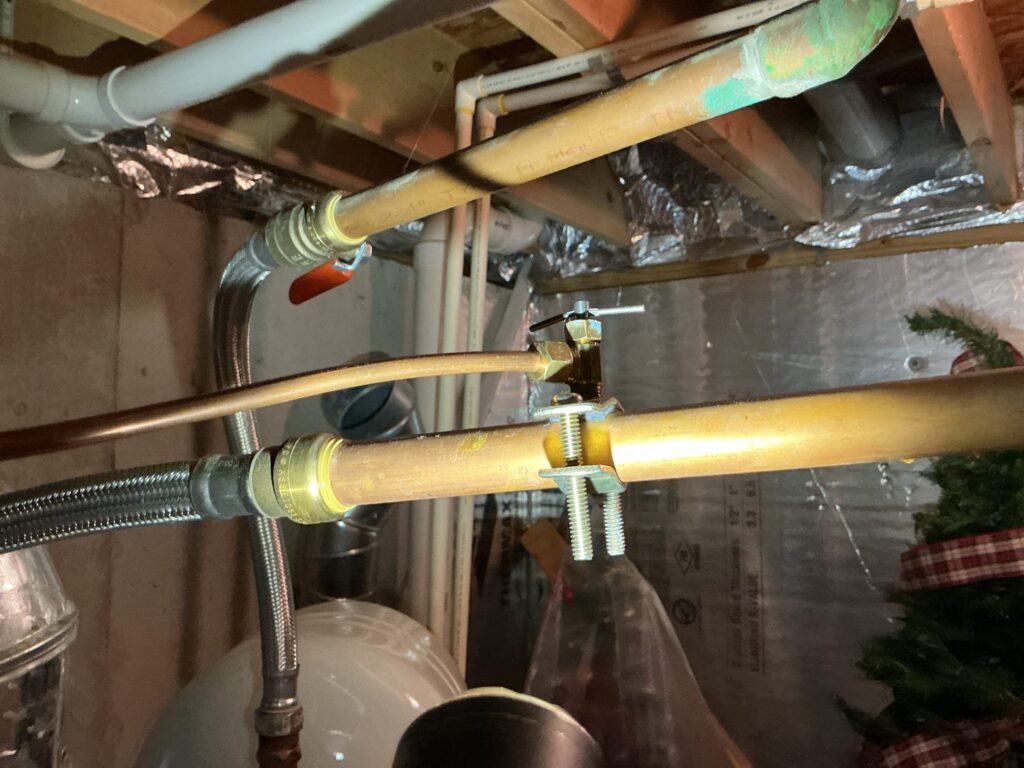
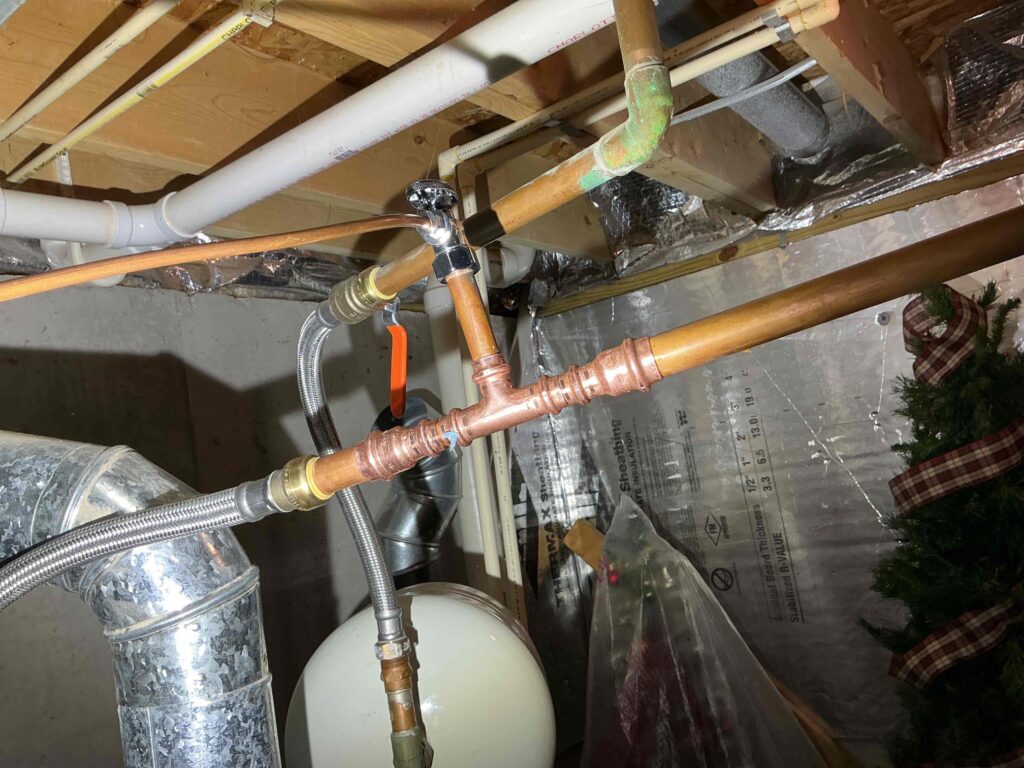
Saddle valves may be small, but a slow leak can still cause plenty of damage when it goes unnoticed. Catching the problem early can help protect your floors, cabinets, drywall and other areas around the connection.
If you’ve found a saddle valve behind your refrigerator, near an ice maker, connected to a whole-home humidifier or clamped onto a basement water pipe, you don’t have to figure out what to do with it on your own.
Five Star Home Services helps homeowners throughout Columbus, Dayton, Cincinnati and communities across Central and Southwest Ohio get to the bottom of plumbing problems like these. Whether you’re dealing with a leaking water line or need water line repair or replacement, our plumbers can find the source of the problem, walk you through your options and help you get it taken care of so you can get back to enjoying your home.
Schedule a plumbing inspection with Five Star Home Services or call (833) 405-8009 to get started.
Frequently Asked Questions About Saddle Valves
Are Saddle Valves Still Used Today?
Yes, but they’re much more common in older plumbing setups. While saddle valves are still available, plumbers will often use a more permanent connection for a new installation. What works best depends on your plumbing and what the water line is supplying.
Can I Replace a Saddle Valve Myself?
We generally recommend leaving this one to a licensed plumber. Replacing a saddle valve usually means shutting off the water, working on the existing supply pipe and installing the right replacement connection. If something isn’t installed correctly, you could end up with another leak.
How Long Does a Saddle Valve Last?
There isn’t one set lifespan for a saddle valve. How long yours lasts depends on several things, including:
- Age and original installation
- Water quality
- Pipe material
- How often the valve gets used
If you’re noticing corrosion, mineral buildup, leaking or a valve that’s becoming difficult to turn, those signs matter more than how many years it has been there.
What Does It Cost to Replace a Saddle Valve?
The cost depends on the type of pipe, where the valve is located, what will replace it and whether any other plumbing work is needed.
That’s why there isn’t one price that applies to every home. Once a plumber sees the connection and surrounding pipe, they can give you a much better idea of what the repair will involve.
Is a Leaking Saddle Valve an Emergency?
Not always. How quickly you need help depends on how much water is coming out and whether you can safely stop it.
A steady or worsening leak should be addressed quickly because even a small amount of water can cause damage over time. If you’re not sure how serious it is, it’s better to have someone take a look than wait and see.