
Furnace replacement cost in 2025 depends on factors like efficiency, home size, and installation needs. Learn what impacts pricing and how Five Star Home Services keeps costs transparent for Ohio homeowners.
Furnace replacement cost in 2025 varies widely, and the total price depends on more than equipment alone. Home size, AFUE efficiency, installation needs like ductwork or gas lines, and available rebates all play a role. In this blog, I’ll break down typical price ranges and the factors behind them so you can budget confidently and choose the right system.
How Much Does Furnace Replacement Cost in Ohio?
The cost of replacing a furnace in Ohio typically ranges from several thousand dollars up to $8,500. The final price depends on a variety of factors, including the size of your home, the type of equipment installed, and the efficiency rating of the new system. Beyond just the furnace itself, homeowners should also factor in expenses like permits, installation, ductwork modifications, and potential upgrades for indoor air quality. All of these influence the true cost of a replacement, which is why it’s important to look at the full picture rather than just the advertised equipment price.
A list of items that affect the cost of any new furnace installation includes:
- Capacity (size) of the furnace
- Matching equipment so all technology is compatible
- Efficiency of your new furnace and how it relates to your HVAC system
- Speed options related to the blower motor, which can increase cost but also improve comfort
Additional furnace replacement costs may include:
- Ductwork and ventilation modifications
- Installation of a gas line if you’re converting to natural gas
- Indoor Air Quality products, such as media filters or humidity control, which increase upfront cost but can save money long-term
How Does Furnace Efficiency Impact Furnace Replacement Cost for Ohio Homes?
When it comes to heating systems, efficiency plays one of the biggest roles in determining the cost of a furnace replacement. For central air conditioners, efficiency is measured using the SEER rating. Furnaces, however, are measured using Annual Fuel Utilization Efficiency (AFUE).
AFUE tells you how much of your fuel is actually turned into usable heat for your home. For example:
- A furnace with an 80% AFUE converts 80% of its fuel into heat, while the remaining 20% escapes through exhaust.
- Modern high-efficiency furnaces typically range from 90% to 97% AFUE, while the current minimum rating for new systems is 78% AFUE.
How Efficiency Impacts Costs
- Higher Initial Cost – Furnaces with higher AFUE ratings cost more upfront because they use advanced technology to reduce wasted energy.
- Lower Long-Term Cost – Over time, the reduced energy waste means lower monthly utility bills. For many Ohio homeowners, a high-efficiency furnace pays for itself in energy savings.
It’s also worth noting that efficiency isn’t just about the equipment. Proper installation, ductwork quality, and even air filtration can impact your home’s true heating performance.
How Do Furnace Speed Options Affect Furnace Replacement Cost in Ohio?
One important factor that impacts furnace replacement cost is the type of blower motor in your system. The blower motor is responsible for moving air through your ducts, and its speed options directly affect both comfort and energy efficiency.
Types of Furnace Blower Motors
- Single-Stage Blower (Basic Option):
Runs at full power or not at all. This is the most affordable option, but it can cause uneven heating and higher energy usage. - Two-Stage Blower (Mid-Tier Option):
Offers two speed settings—usually 100% and around 70%. This provides more control, quieter operation, and better comfort compared to single-stage systems. - Variable-Speed Blower (High-End Option):
Uses advanced technology to adjust airflow in small increments. This can mean hundreds of speed settings, resulting in precise temperature control, lower energy use, and quieter operation.
How Speed Options Affect Furnace Costs
- Upfront Cost: The more advanced the blower motor, the higher the price of the furnace. Variable-speed models are the most expensive to install.
- Long-Term Savings: Variable-speed furnaces often reduce energy bills and improve comfort, which makes them a better investment for many Ohio homeowners.
- System Compatibility: Your blower motor should match your air conditioner and other HVAC components to ensure peak efficiency and avoid future repair costs.
At Five Star Home Services, our HVAC experts help you compare furnace speed options so you can choose the right balance of cost, comfort, and long-term efficiency for your Ohio home.
How Does HVAC Equipment Matching Influence Furnace Replacement Cost?
Modern HVAC systems rely on technology that works together seamlessly. This is known as equipment matching, and it plays a major role in both the upfront cost and the long-term efficiency of your furnace replacement.
Why Equipment Matching Matters
- Today’s “smart” HVAC technology is designed to communicate across different components.
- Your furnace and air conditioner must be compatible in terms of airflow, sizing, and fuel source.
- If components don’t match, your system may lose efficiency, cost more to operate, or even fail prematurely.
Common Equipment Matching Scenarios
- Single-Stage Systems: Basic furnaces pair easily with single-stage air conditioners, making them the most affordable option.
- Two-Stage or Variable-Speed Systems: Require compatible furnaces that can communicate with advanced air conditioners. These setups increase comfort and efficiency—but also raise installation costs.
How Matching Impacts Replacement Costs
- Higher Initial Costs: If you already own a variable-speed air conditioner, you’ll need a compatible furnace, which usually comes at a higher price.
- Limited Options: Homeowners who want to upgrade to a high-efficiency system may be restricted by their current setup. For example, if your existing system only supports single-stage equipment, you may need to replace both the furnace and air conditioner to upgrade to variable speed.
- Long-Term Savings: While equipment matching may increase upfront costs, properly paired systems often deliver lower energy bills and fewer repairs over time.
At Five Star Home Services, our NATE-certified technicians ensure your new furnace is fully compatible with your existing HVAC equipment, helping you avoid costly mismatches and maximize efficiency.
What Is the Furnace Replacement Cost of Gas vs. Electric Furnaces?
When comparing furnace replacement costs, one of the biggest factors is the type of fuel your system uses. Both gas furnaces and electric furnaces have unique cost considerations that impact both installation and long-term operation.
Electric Furnace Costs
- Lower Upfront Cost: Electric furnaces are generally less expensive to purchase and install compared to gas models.
- Efficiency with Heat Pumps: Electric furnaces often pair well with heat pumps, which can boost efficiency.
- Higher Monthly Bills: If paired with a standard central air conditioner instead of a heat pump, electric furnaces lose efficiency and can lead to higher long-term energy costs.
Gas Furnace Costs
- Higher Initial Investment: Gas furnaces usually cost more upfront, especially if you need to add a natural gas line.
- Lower Long-Term Bills: Because natural gas is typically cheaper than electricity in Ohio, gas furnaces often save homeowners more money over time.
- Common in Ohio Homes: In Columbus and much of Ohio, the most popular and cost-effective setup is a gas furnace paired with a central air conditioner.
Which Furnace Type Is Best for Ohio Homes?
- If you already have access to a natural gas line, a gas furnace is usually the most cost-effective option in cold Ohio winters.
- If you do not have gas service, or if your home uses a heat pump for cooling, an electric furnace may be the better choice.
- Many Ohio homeowners still choose gas furnaces for the long-term savings, even if it requires the added cost of running a new gas line.
At Five Star Home Services, our team can help you compare the cost of gas vs. electric furnace replacement so you can find the system that makes the most sense for your home, budget, and comfort.
What Is the Average Furnace Replacement Cost in 2025?
Price ranges below include installation and standard fees. They do not include duct or vent modifications, IAQ add-ons, or any rebates and tax credits that could lower your final cost.
Mid-Efficiency Furnace (~80%)
- Single-stage: $3,495-$5,995
- Two-stage: $4,095-$7,395
- Two-Stage Variable-speed: $4,995-$9,395
High-efficiency Furnace (90%+)
- Single-stage: $4,795-$8,395
- Two-stage: $5,295-$8,795
- Two-Stage Variable-speed: **$6,195-$10,295**
- Modulating 98% (variable-speed): $6,695-$11,595
These rates include installation and associated fees. However, it does not include ductwork, ventilation modification, or indoor air quality product add-ons. Many of these won’t be a part of every furnace installation. Additionally, it does not include various tax credits, rebates, and other incentives offered by utility companies, the government, and HVAC equipment manufacturers.
How Do Ductwork and Ventilation Modifications Affect Furnace Replacement Cost?

Ductwork upgrades and vent changes can increase overall cost, especially in older homes where airflow is restricted. Your chimney flue may also need a liner for safety and performance. As a tip, you can ask your HVAC professional during your free estimate if any adjustments are recommended.
How Do Indoor Air Quality Products Influence Furnace Replacement Cost?
While not directly part of furnace cost, filter size and quality affect pricing. Add-on Indoor Air Quality products like humidifiers, dehumidifiers, and air purification can raise the initial price but improve comfort and may help your system run more efficiently.
You may reduce your total cost with rebates, tax credits, and local incentives. Our team can help you identify and apply eligible savings.
- Rebates: Utility companies and manufacturers often offer incentives to purchase their equipment in the form of rebates. If your HVAC contractor is especially helpful, they might offer to process these for you and to reduce the amount of your bill by the same amount so that you don’t have to worry about processing the rebate yourself. Ask our comfort team members at Five Star Home Services for details.
- Tax Credits: These are usually made available for high-efficiency equipment. The federal government offers many tax credit programs on and off for years. While there’s no guarantee they’ll be available when you purchase. However, it is always worth checking.
- Local Incentives: At times, companies will run individual deals or offer discounts for things like being an armed forces veteran. These will be the most variable but are again worth looking into.
Make Your HVAC Investment Count: Choosing Between Furnace Repair vs. Furnace Replacement
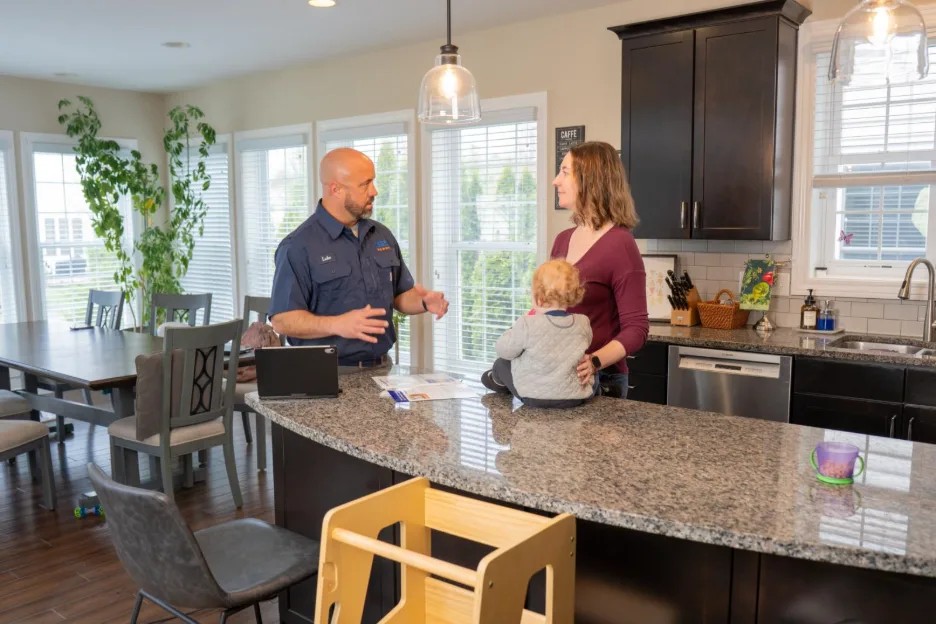
When it comes to furnace repair vs. furnace replacement, making the right choice ensures you’re investing wisely in your home’s comfort.
Ready to get numbers you can trust? Schedule a FREE in-home estimate in Columbus, Dayton, or Cincinnati. Call Five Star Home Services at (833) 405-8009 or book your own appointment online today.
FAQs
1. How much does furnace replacement cost in Ohio in 2025?
Furnace replacement cost in Ohio typically ranges between $3,500 and $11,500 depending on the size of your home, the efficiency rating of the furnace, and any installation requirements such as ductwork or gas line modifications. At Five Star Home Services, our quotes always include equipment, labor, and permit fees so you never face hidden charges.
2. Is it cheaper to repair or replace my furnace?
That depends on your furnace’s age, efficiency, and repair history. If your furnace is over 15 years old or needs frequent costly repairs, replacement is often the smarter investment long-term. Our team helps you compare furnace repair vs. furnace replacement so you can make the most cost-effective choice for your home.
3. What factors affect furnace replacement cost the most?
The biggest factors include furnace size (capacity), efficiency rating (AFUE), blower motor speed options, and whether your system requires additional work like duct modifications or new gas lines. Rebates, tax credits, and local incentives can also reduce your final cost. We walk you through every detail so you know exactly what you’re paying for.
4. How can I save money on a new furnace installation?
Ohio homeowners can save by replacing their furnace and AC at the same time, which lowers labor costs and ensures equipment compatibility. You can also take advantage of rebates, tax credits, and financing options that make furnace replacement cost more manageable. Our best-price guarantee ensures you’ll always get the best value with Five Star Home Services.